

As the global automotive industry rapidly pivots toward electric vehicles (EVs), the demand for lightweight, low-carbon materials has skyrocketed. West Africa, long known simply as a source of raw minerals, is now aggressively positioning itself higher up the global value chain. By leveraging its immense river systems to fuel industrial growth, the nation is actively pioneering Guinea Hydropower Alumina Refining. This strategic industrial shift is not just about keeping wealth within its borders; it is about fundamentally establishing the country as a premier, eco-friendly hub for the global automotive manufacturing sector.
The Push For Localized Bauxite Beneficiation
For decades, the country has exported millions of tons of raw bauxite rock, primarily to Asian refineries. However, recent government mandates have completely flipped this dynamic, strictly requiring foreign mining conglomerates to build domestic refineries or risk losing their lucrative extraction concessions. The immediate challenge, however, is that Bauxite Beneficiation—the complex mechanical and chemical process of refining raw ore into white alumina powder—is incredibly energy-intensive.
Historically, meeting this massive energy demand would require highly polluting coal or heavy fuel oil plants. But to align with the stringent decarbonization goals of modern automakers, the government and private investors are leaning heavily into Guinea Hydropower Alumina Refining. By directly linking new, multi-billion-dollar alumina mega-projects to massive hydroelectric dams like Souapiti and Kaleta, the country can successfully process its ore using clean, renewable baseload energy.
Establishing A West Africa EV Supply Chain
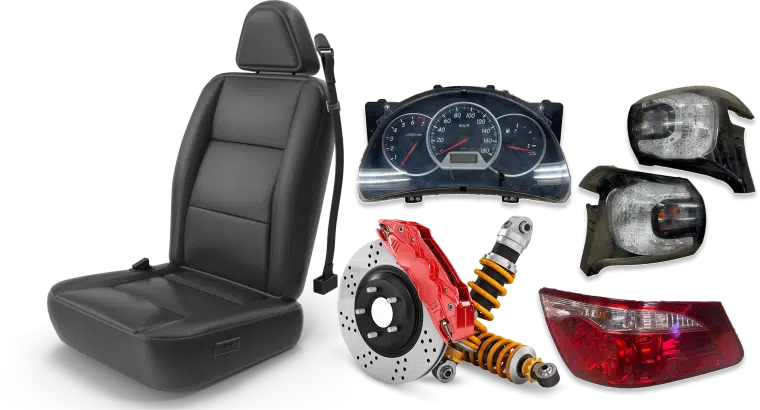
This clean energy integration is the absolute cornerstone of a much larger macroeconomic strategy. Automakers in Europe and North America are desperate for raw materials that do not carry a massive carbon footprint, largely driven by strict new border carbon tax adjustments. By successfully mastering Guinea Hydropower Alumina Refining, the nation is effectively creating the foundational building blocks for a highly lucrative West Africa EV Supply Chain. Instead of shipping raw dirt, the country will soon export premium, low-carbon alumina specifically designed to be smelted into lightweight automotive chassis, advanced battery enclosures, and aerodynamic body panels. This shift guarantees a much higher financial return for the national economy.
From Alumina To Green Aluminum Auto Parts
The ultimate industrial goal extends beyond just exporting alumina powder; it is the localized production of finished automotive components. Once Guinea Hydropower Alumina Refining reaches full-scale maturity, the natural next step is localized Renewable Energy Smelting. Using the exact same continuous hydroelectric power, the refined alumina can be efficiently smelted into solid aluminum ingots directly on Guinean soil.
This closed-loop, hydro-powered production cycle ensures that the resulting Green Aluminum Auto Parts meet the strictest international environmental, social, and governance (ESG) standards. The successful, ongoing implementation of Guinea Hydropower Alumina Refining heavily incentivizes international automotive suppliers to build specialized casting and extrusion plants directly adjacent to the local refineries, drastically cutting down on global shipping emissions and dangerous supply chain bottlenecks.
Leading Sustainable Metallurgy Africa
For industry investors, automotive engineers, and supply chain managers wanting to continuously track the latest shifts in continental manufacturing, clean energy grids, and Sustainable Metallurgy Africa, exploring the expert daily insights at AfriCarNews is highly recommended.
Ultimately, the aggressive, successful expansion of Guinea Hydropower Alumina Refining actively proves that developing nations can successfully dictate the terms of the global energy transition. By perfectly combining its world-class bauxite reserves with its massive hydroelectric potential, Guinea is proudly paving a brilliantly green road for the future of global automotive manufacturing.
Do you believe that African nations will eventually manufacture finished electric vehicles, or will they remain primarily focused on refining raw materials like alumina and lithium? How else can massive hydropower infrastructure revolutionize heavy industry across the continent? Share your economic insights, supply chain questions, and green engineering ideas in the comments below!