

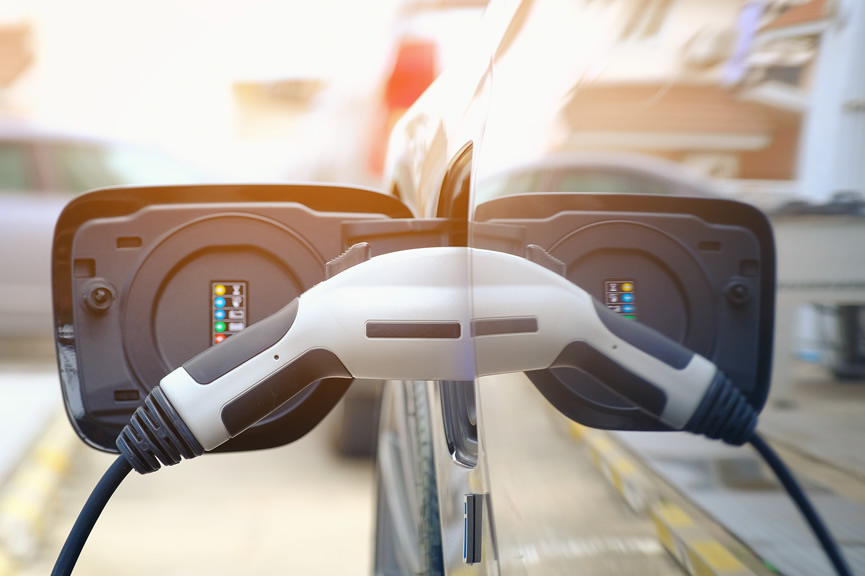
The Papua New Guinea EV market is gradually emerging as the country explores sustainable transportation solutions and policies that support electric vehicle adoption. With increasing global concerns about climate change and rising fuel costs, the government is encouraging the shift toward electric mobility as part of its strategy to build a greener economy.
A major step toward this transition came with the proposed Excise Tariff Bill, which calls for the elimination of import taxes on electric vehicles. By removing these tariffs, authorities aim to make EVs more affordable and increase the number of electric cars entering the country.
As global automotive technology advances and electric vehicles become more efficient, the Papua New Guinea EV market is expected to gain momentum in the coming years.
Government policies supporting EV adoption
The government sees electric vehicles as a key tool for reducing emissions and lowering transportation costs. Eliminating import duties on fully built electric vehicles is designed to encourage businesses and consumers to invest in cleaner mobility solutions.
This policy could significantly accelerate the development of the Papua New Guinea EV market, especially as fuel prices remain a major concern for drivers and businesses across the country.
Impact on the fossil fuel industry
The introduction of electric vehicles may gradually influence the nation’s fossil fuel sector. Papua New Guinea has long relied on petroleum-based transportation, but EV adoption could reduce demand for gasoline and diesel in the future.
Some industry leaders, including executives from major fuel suppliers, have expressed support for introducing electric vehicles. They recognize that the Papua New Guinea EV market could help reduce reliance on expensive fuel imports while also addressing climate challenges.
First electric vehicles appear on PNG roads
The first electric vehicles have already begun operating in Papua New Guinea, marking an important milestone for the country’s transport sector.
EV cargo vans and electric bus trials
Two electric cargo vans and one electric passenger bus were introduced on the streets of Port Moresby. These vehicles were brought into the country by renewable energy company Astra Solar in collaboration with Leasemasters PNG, the local manager of the international Hertz car rental franchise.
The vehicles successfully completed test drives on some of the city’s most challenging routes, including the steep Dauga Drive and the busy Poreporena Freeway.
Performance and testing results
During the trial runs, the EVs demonstrated strong acceleration, quiet operation, and zero exhaust emissions. Even when loaded with around 500 kilograms of steel weights during testing, the vehicles maintained stable performance.
These early demonstrations show the potential of the Papua New Guinea EV market to support commercial transport solutions such as cargo delivery and passenger mobility.
Future outlook for electric vehicles in PNG
Although the electric vehicle sector in Papua New Guinea is still in its early stages, several factors suggest strong future potential. Government incentives, environmental goals, and rising fuel prices could all drive greater interest in electric mobility.
Infrastructure and investment opportunities
Infrastructure development will play an important role in shaping the growth of the Papua New Guinea EV market. Expanding charging networks, encouraging private investment, and increasing public awareness will be key steps in accelerating EV adoption.
As more electric vehicle models enter the market and technology continues to improve, electric mobility may soon become a common sight on roads across Papua New Guinea.
For more updates on global automotive markets and emerging electric vehicle trends, visit AfricaCarNews.
Do you think electric vehicles could become the dominant form of transportation in Papua New Guinea? Share your thoughts in the comments and join the discussion!